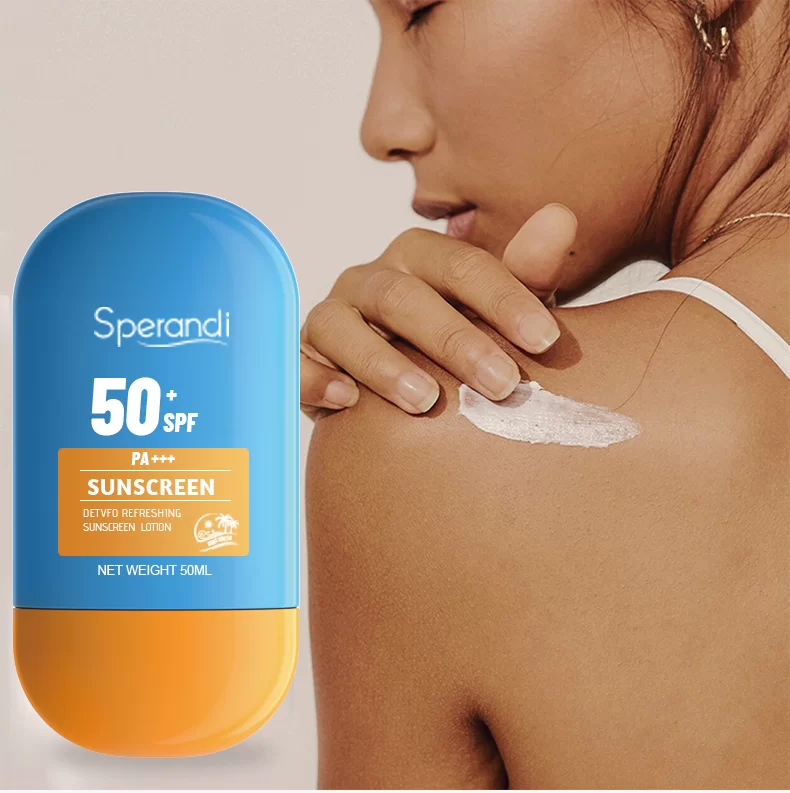
Caring for babies and individuals with sensitive skin requires a thoughtful approach that prioritizes safety, comfort, and gentle protection. From daily hygiene routines to specialized products, every aspect of care must minimize irritation while supporting healthy skin development. This is especially important because infants and people with sensitive skin have a weaker skin barrier, making them more vulnerable to environmental stressors, allergens, and harsh chemicals.
Understanding Sensitive Skin Needs
Sensitive skin, particularly in babies, is thinner and loses moisture more quickly than adult skin. It is also more reactive to temperature changes, friction, and chemical exposure. As a result, products used in baby and sensitive care applications must be designed with hypoallergenic, non-toxic, and breathable materials. Fragrance-free and dye-free formulations are highly recommended, as artificial additives are among the most common triggers for irritation.
In addition, maintaining the skin’s natural pH balance is essential. Products that are too alkaline can disrupt the protective acid mantle, leading to dryness, redness, and increased susceptibility to infections. Therefore, pH-balanced cleansers and skincare items are widely preferred in both baby care and sensitive skin routines.
Key Applications in Baby Care
1. Diapering Solutions
Diapering is one of the most critical areas where sensitive care is required. Prolonged exposure to moisture and friction can lead to diaper rash, a common skin condition in infants. High-quality diapers and related products are designed with soft, breathable materials that allow airflow while effectively absorbing moisture.
Modern diapering solutions often incorporate advanced absorbent cores and leak-proof layers to keep the baby’s skin dry. Additionally, hypoallergenic wipes made from soft, non-woven fabrics are essential for gentle cleansing during diaper changes. These wipes are typically enriched with soothing ingredients such as aloe vera or chamomile to reduce irritation.
Barrier creams and ointments also play a key role by forming a protective layer on the skin, preventing direct contact with irritants. Zinc oxide-based creams are particularly popular for their effectiveness in preventing and treating diaper rash.
2. Bathing and Cleansing Products
Bath time is another important aspect of baby care where gentle formulations are essential. Baby shampoos and body washes are specifically designed to be tear-free and mild on delicate skin. They avoid harsh surfactants like sulfates, which can strip natural oils from the skin.
Cleansing products for sensitive care applications often include natural and soothing ingredients such as calendula, oat extract, and glycerin. These ingredients help to hydrate and calm the skin while ensuring effective cleaning. Additionally, the use of soft washcloths or sponges made from natural fibers can further reduce the risk of irritation.
Water temperature and bathing frequency also play a role. Lukewarm water and short bath durations are recommended to prevent excessive dryness.
3. Skincare and Moisturizing
Moisturizing is crucial for maintaining the integrity of sensitive skin. Babies and individuals with sensitive skin benefit from lightweight, non-greasy lotions and creams that provide long-lasting hydration without clogging pores.
Emollients such as shea butter, ceramides, and natural oils are commonly used to restore the skin barrier. These ingredients help lock in moisture and protect against environmental factors like dry air and pollutants. Regular moisturizing can significantly reduce the occurrence of dryness, flaking, and irritation.
In colder climates or dry indoor environments, more intensive creams or ointments may be necessary to provide additional protection.
Applications for Sensitive Skin in Adults
Sensitive care is not limited to babies. Many adults also experience skin sensitivity due to conditions such as eczema, rosacea, or allergies. The principles of baby care—gentleness, simplicity, and safety—apply equally to adult sensitive care routines.
1. Personal Hygiene Products
Sensitive skin-friendly soaps, shampoos, and deodorants are formulated without harsh chemicals or irritants. These products often emphasize minimal ingredient lists and include soothing agents to reduce inflammation.
For example, sulfate-free shampoos and mild cleansers help maintain the scalp and skin’s natural balance. Similarly, alcohol-free deodorants are less likely to cause irritation in delicate areas.
2. Textile and Material Applications
Clothing and bedding also play a significant role in sensitive care. Soft, breathable fabrics such as cotton and bamboo are preferred because they reduce friction and allow proper airflow. In contrast, synthetic materials can trap heat and moisture, increasing the likelihood of irritation.
In industrial and commercial contexts, manufacturers are increasingly focusing on hypoallergenic textiles for products such as baby clothing, blankets, mattress protectors, and towels. These materials are often processed without harsh dyes or chemical treatments, making them safer for sensitive users.
3. Medical and Healthcare Uses
Sensitive care applications are especially important in medical settings, where patients may have compromised skin due to illness or treatment. Products such as surgical dressings, wound care materials, and medical tapes must be gentle and non-irritating.
Advanced materials like silicone-based adhesives are commonly used because they provide secure attachment while minimizing skin trauma during removal. Additionally, breathable and moisture-wicking materials help maintain skin health and prevent complications such as pressure ulcers.
Importance of Material Innovation
The growing demand for baby and sensitive care products has driven innovation in materials and manufacturing processes. Non-woven fabrics, for instance, are widely used in wipes, diapers, and medical products due to their softness, durability, and versatility.
Sustainable and eco-friendly materials are also gaining popularity. Parents and consumers are increasingly seeking products that are not only safe for sensitive skin but also environmentally responsible. Biodegradable wipes, organic cotton textiles, and plant-based ingredients are becoming standard in the industry.
Manufacturers are also investing in dermatological testing and certifications to ensure product safety and effectiveness. Labels such as “dermatologically tested,” “hypoallergenic,” and “pediatrician-approved” provide additional reassurance to consumers.
Best Practices for Safe Use
To maximize the benefits of baby and sensitive care products, it is important to follow best practices:
· Always perform a patch test when introducing a new product.
· Avoid overuse of multiple products, as this can increase the risk of irritation.
· Choose products with simple, transparent ingredient lists.
· Maintain a consistent skincare routine to support the skin barrier.
· Store products properly to prevent contamination and degradation.
Parents and caregivers should also remain attentive to any signs of irritation, such as redness, itching, or swelling, and discontinue use of any product that causes adverse reactions.
Conclusion
Baby and sensitive care applications require a delicate balance of effectiveness and gentleness. By prioritizing safe ingredients, breathable materials, and thoughtful product design, it is possible to protect and nurture even the most delicate skin. Whether in daily hygiene, skincare, textiles, or medical use, the focus remains on minimizing irritation while supporting overall skin health. As technology and consumer awareness continue to evolve, the future of sensitive care will likely see even more advanced, sustainable, and skin-friendly solutions that meet the highest standards of safety and comfort.