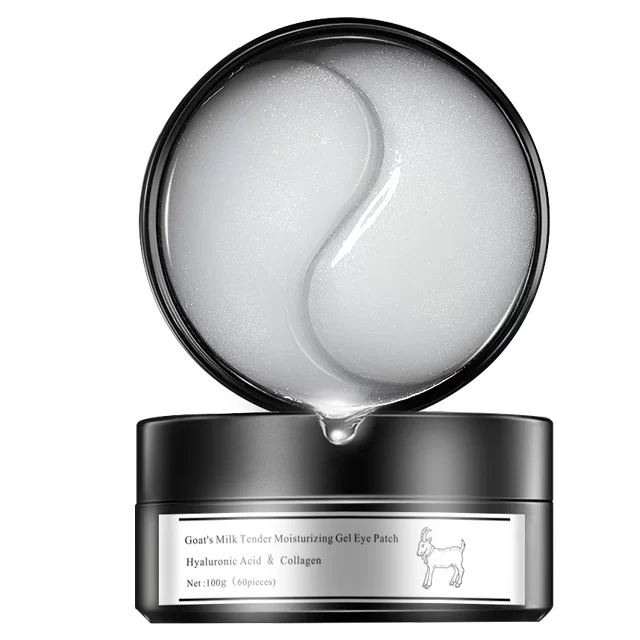
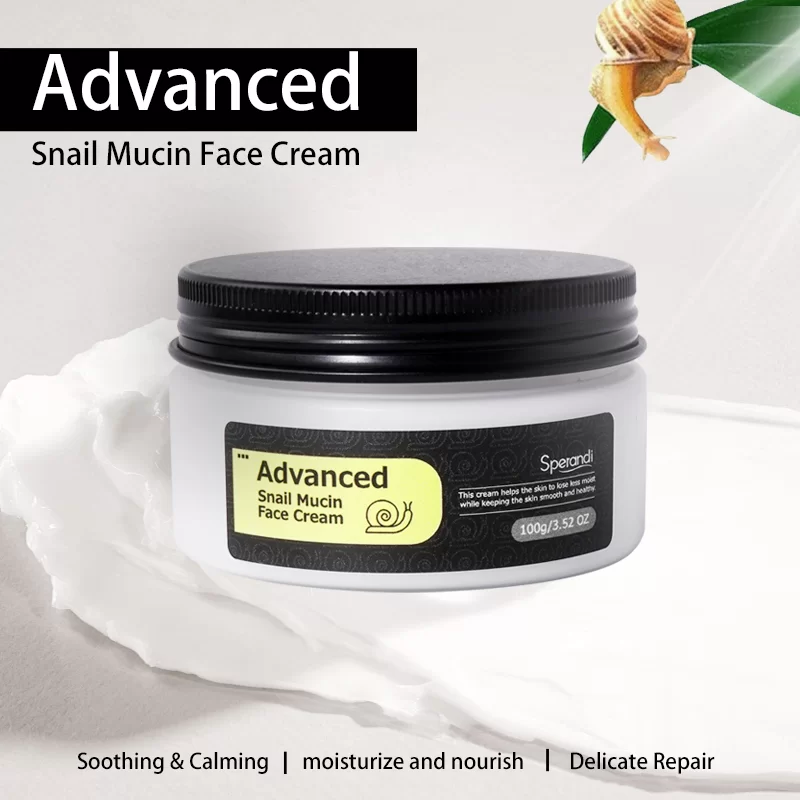
Advanced K-Beauty Chemical Manufacturing for vitamin c serum

Providing South Korea's cosmetics industry with high-purity raw materials and innovative chemical formulations for global competitiveness.

Advanced K-Beauty Chemical Manufacturing for vitamin c serum

We specialize in the precision synthesis of active ingredients, enabling the creation of high-performance skincare products like Anti-aging face cream and specialized cleansers that meet the rigorous standards of the South Korean market.

The Current State of Cosmetic Chemistry in South Korea

Navigating the intersection of dermatological science and consumer demand in Asia's beauty hub.

South Korea's cosmetics manufacturing sector is characterized by an extreme demand for "Glass Skin" aesthetics, which drives the need for ultra-refined Face Wash formulations. The climate, featuring distinct seasonal humidity shifts, requires chemical stabilizers that ensure product efficacy year-round.

The market has seen a massive shift toward "Cosmeceuticals," where chemical raw materials must be pharmaceutical grade. This has led to the rise of barrier-repair technologies, similar to the lipid-mimicking chemistry found in a Cerave Facial Cleanser, to protect skin from urban pollution in Seoul.

Furthermore, the integration of natural botanical extracts with synthetic actives is paramount. We see a growing trend in combining traditional ingredients with modern delivery systems, such as the stabilization of curcumin in a Turmeric Face Mask to ensure deep dermal penetration without irritation.
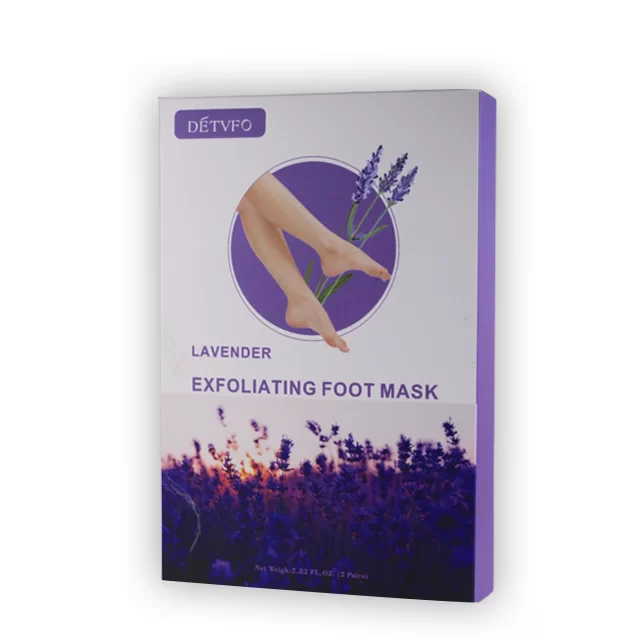
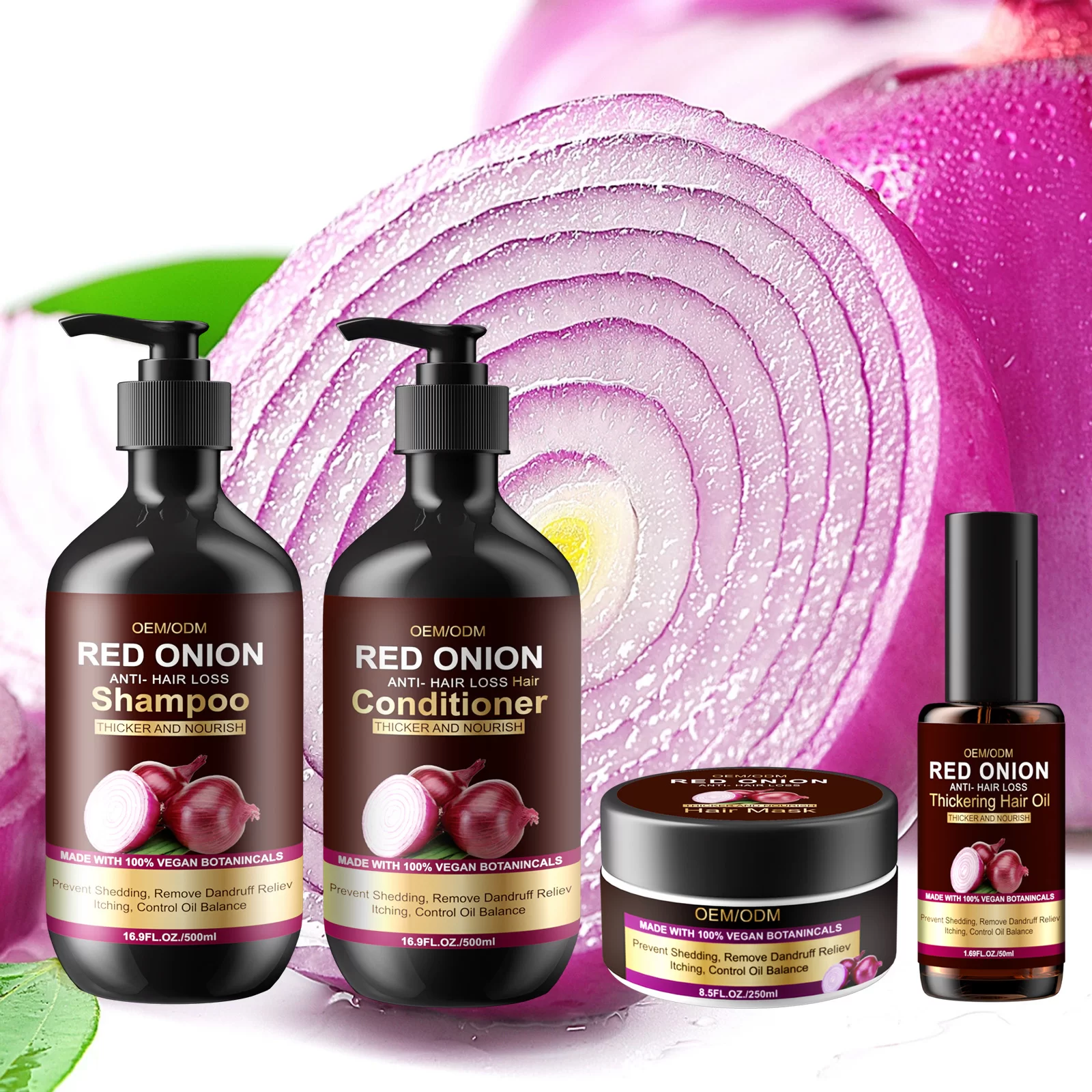
Evolution of Chemical Formulations in K-Beauty

From basic hydration to molecular-level skin regeneration.

Market Development History

In the early 2000s, the industry focused on basic emulsification and hydration. Formulations were simple, relying on heavy oils and basic surfactants for cleansing products.

Between 2010 and 2020, the "Functional Cosmetics" era began. This period saw the introduction of sophisticated peptides and stabilized vitamins, shifting the focus toward Anti-aging face cream that targeted specific collagen-production pathways.

From 2021 to the present, the industry has entered the "Clean-Tech" phase. The focus is now on biodegradable surfactants, microbiome-friendly pH levels, and the use of encapsulation technology to prevent the oxidation of volatile actives.

Future Development Trends

Personalized Molecular Synthesis

Moving toward AI-driven chemical compositions that adjust active concentrations based on individual skin DNA profiles.

Sustainable Bio-Fermentation

Replacing traditional chemical synthesis with bio-engineered yeast and bacteria to produce pure hyaluronic acid and peptides.

Nano-Encapsulation Delivery

Implementing lipid nanoparticles to ensure that ingredients like Vitamin C reach the basal layer of the epidermis without degrading on the surface.

Industry Trends and Future Outlook

Predicting the next wave of chemical innovation in the South Korean cosmetic landscape.

Eco-Friendly Solvents
Transitioning from petroleum-based solvents to green chemistry alternatives to meet South Korea's strict environmental regulations.
Microbiome Balancing
Developing prebiotics and postbiotics as raw materials to optimize the skin's natural flora.
Hybrid Active Systems
Combining chemical synthesis with natural extracts for synergistic anti-inflammatory effects.
Smart Stability Tech
Advanced airless packaging compatible raw materials to eliminate the need for harsh preservatives.

Industry Outlook

Based on Google search trends in South Korea, there is a significant surge in queries for "clean beauty" and "skin barrier repair." This indicates a move away from aggressive exfoliation toward supportive, chemical-grade soothing agents.

We anticipate that the next 3-5 years will see a merger between biotechnology and traditional chemistry, focusing on the production of synthetic analogs of rare natural compounds to ensure sustainability and purity.

Localized Application Scenarios in South Korea

Tailoring chemical solutions to the specific environmental and cultural needs of the Korean market.

1. Urban Anti-Pollution Cleansing

Developing surfactant blends for a Face Wash that specifically removes PM2.5 fine dust particles common in metropolitan Seoul without stripping the skin barrier.

2. High-Stability Vitamin C Solutions

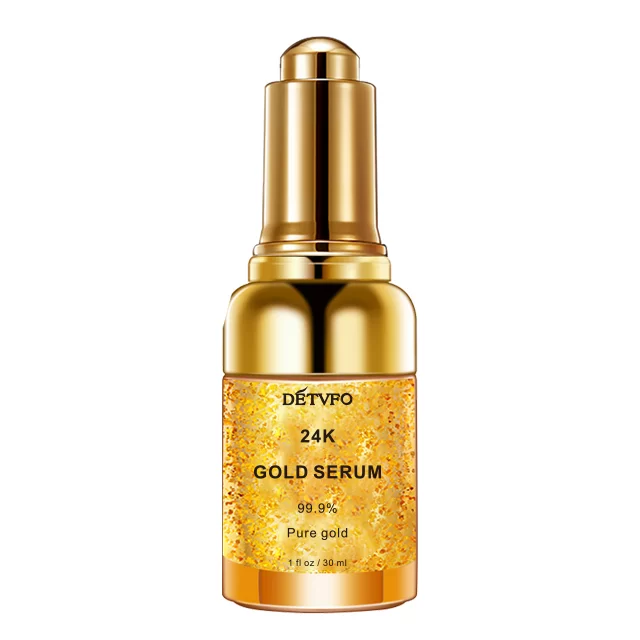
Engineering anhydrous bases for vitamin c serum to prevent oxidation in South Korea's humid summer months, ensuring maximum potency.

3. Intensive Winter Barrier Repair

Creating high-viscosity, occlusive emulsions for Anti-aging face cream to combat the extreme dryness of Korean winters.

4. Gentle Lipid-Replenishing Cleansers

Manufacturing ceramide-infused bases similar to Cerave Facial Cleanser for the growing demographic of consumers with sensitive, compromised skin.

5. Detoxifying Natural Mask Formulations

Developing stabilized dispersions of turmeric for a Turmeric Face Mask that provides brightening effects without leaving yellow residue on the skin.

Brand Story

Global Development History of Guangzhou Yunmei Cosmetics Co., Ltd.

Foundation of Precision

Established with a vision to bridge the gap between raw chemical purity and consumer skincare efficacy.

R&D Breakthroughs

Investment in advanced synthesis labs to create stable, high-concentration active ingredients for global brands.

Asian Market Expansion

Tailoring chemical formulations to meet the specific dermatological needs of the East Asian skin profile.

Sustainability Pivot

Implementing green chemistry protocols to reduce carbon footprints in the cosmetics manufacturing process.

Global Excellence

Becoming a trusted OEM/ODM partner for high-end chemical-based skincare worldwide.

Full Product Portfolio for the South Korean Market

Comprehensive chemical solutions ranging from deep cleansing agents to advanced age-reversing actives.

Cosmetic Chemical FAQs for South Korea

Technical answers to common industry challenges in K-Beauty manufacturing.

How to improve the stability of a Vitamin C serum for humid climates?

Stability is achieved through the use of encapsulated L-ascorbic acid or by transitioning to a water-free, silicone-based anhydrous system that prevents oxidation.

What is the best surfactant for a gentle Face Wash targeted at sensitive skin?

We recommend amino acid-based surfactants like Sodium Cocoyl Glycinate, which provide excellent cleansing while maintaining the skin's natural pH and moisture barrier.

How can we achieve the barrier-repair effect found in a Cerave Facial Cleanser?

This requires a precise ratio of ceramides, cholesterol, and fatty acids synthesized to mimic the skin's natural lamellar structure.

What are the key chemical actives for a high-performance Anti-aging face cream?

A combination of Retinoids, Matrixyl peptides, and stabilized Hyaluronic Acid of varying molecular weights is essential for comprehensive dermal regeneration.

How to prevent staining when formulating a Turmeric Face Mask?

By utilizing liposomal encapsulation of curcumin, we can ensure the active reaches the skin without leaving an intense yellow pigment on the surface.

What regulations govern chemical imports for cosmetics in South Korea?

Manufacturers must comply with the MFDS (Ministry of Food and Drug Safety) guidelines, ensuring all raw materials are listed in the approved cosmetic ingredient dictionary.

Partner with the Leaders in Cosmetic Chemistry

Contact our technical team today to optimize your formulations for South Korea.

Contact Us Now