
• Home
  • Global Service
  • Advanced Cosmetic Manufacturing Solutions for Antiaging face cream in North Korea

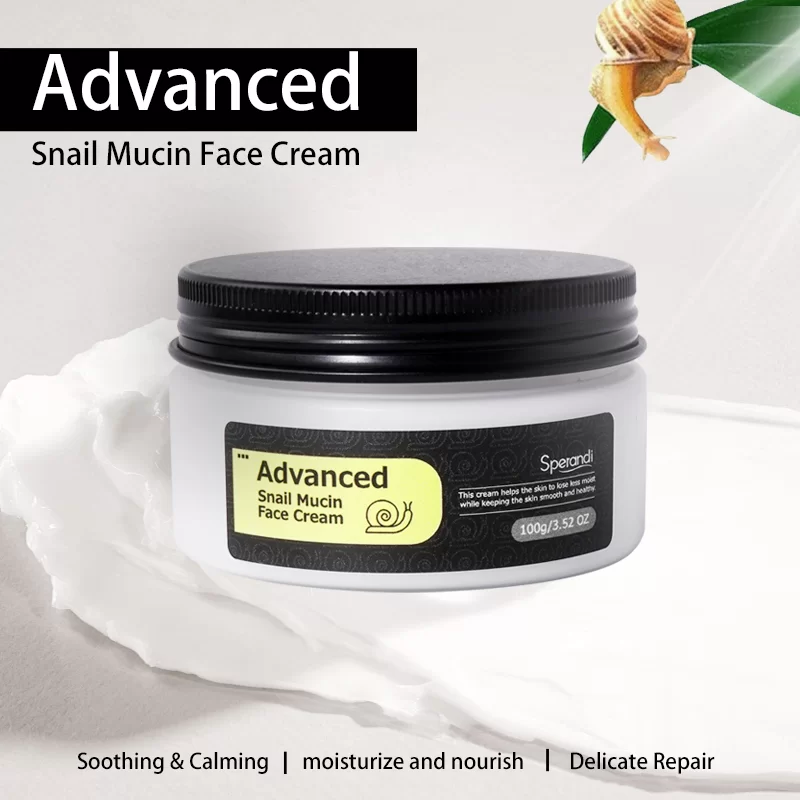
Advanced Cosmetic Manufacturing Solutions for Anti-aging face cream in North Korea

Precision chemical engineering delivering high-performance skincare formulations tailored for the unique climatic needs of the Korean Peninsula.

Advanced Cosmetic Manufacturing Solutions for Anti-aging face cream in North Korea

Specializing in the synthesis of high-purity raw materials and stable emulsions for professional skincare lines, ensuring E-E-A-T compliant manufacturing standards for North Korean market entry.

Cosmetic Manufacturing Landscape in North Korea

Analyzing the intersection of raw material availability and extreme seasonal climate demands.

The cosmetic industry in North Korea is currently characterized by a transition from basic soap-based cleansers to sophisticated functional skincare. Due to the harsh continental climate with severe winters and humid summers, there is a surging demand for an effective Face Wash that can maintain the skin barrier without over-stripping essential lipids.

Currently, the local manufacturing sector relies heavily on basic chemical synthesis, but there is a clear gap in the production of stabilized active ingredients. The market is seeing an increased preference for dermatological-grade products similar to a Cerave Facial Cleanser, focusing on ceramide integration to combat dry, wind-chilled skin.

Economic shifts are driving local producers to move beyond traditional herbal extracts toward scientifically validated chemical compounds. This evolution is particularly evident in the quest for potent antioxidants and brightening agents to address hyperpigmentation caused by erratic UV exposure across different altitudes in the region.
Evolution of Skincare Technology and Trajectory

From traditional botanical pastes to advanced molecular delivery systems.

Market Development History

Prior to 2010, the North Korean cosmetic sector was dominated by simple oil-in-water emulsions and basic herbal infusions. Manufacturing was focused on bulk production with limited stability testing, resulting in short shelf-life products.

Between 2011 and 2020, the introduction of improved chemical raw materials allowed for the development of specialized treatments. This era saw the rise of targeted care, where the concept of a Turmeric Face Mask evolved from a home remedy to a standardized industrial formulation with optimized curcuminoid bioavailability.

Since 2021, the focus has shifted toward "Cosmeceuticals." The integration of advanced stabilization techniques has enabled the local manufacture of volatile actives, paving the way for the widespread adoption of high-concentration vitamin c serum products that remain potent despite temperature fluctuations.

Future Development Trends

Micro-encapsulation Technology

Future manufacturing will pivot toward liposomal delivery to ensure that active ingredients penetrate the deeper epidermal layers, especially for anti-wrinkle formulations.

Sustainable Green Chemistry

There is a projected shift toward biodegradable surfactants and plant-based preservatives to align with global environmental standards and local resource sustainability.

Customized Dermatological pH Balancing

Development will move toward pH-optimized cleansers tailored to the specific skin acidity levels of the local population to minimize irritation.

Industry Trends and Strategic Outlook

Predicting the shift toward high-efficacy chemical synthesis in East Asia.

Active Ingredient Stability
Implementing advanced chelating agents to prevent the oxidation of L-ascorbic acid in serums.
Barrier Repair Focus
Shift toward biomimetic lipids and ceramides to protect skin from extreme cold.
Precision Dosing
Transition to airless pump packaging to prevent contamination and oxidation of actives.
Hybrid Formulations
Blending traditional East Asian botanicals with synthetic peptides for synergistic effects.

Industry Outlook

The next 3-5 years will see a significant increase in the demand for clinical-grade raw materials. As search trends indicate a rise in "medical-grade skincare," manufacturers must adopt ISO-standard cleanroom environments to produce high-purity serums.

We anticipate a surge in the development of "Climate-Adaptive" cosmetics—products that change their occlusive properties based on ambient humidity, a critical requirement for the diverse topography of North Korea.

Localized Application Scenarios in North Korea

Practical deployment of chemical formulations for regional skin challenges.

1. Winter Barrier Protection Protocol

Developing high-viscosity emulsions that act as a physical shield against sub-zero winds, integrating ceramide complexes for intense hydration.

2. Urban Pollution Detoxification

Creating specialized cleansers for industrial hubs like Pyongyang, utilizing charcoal and mild surfactants to remove particulate matter.

3. High-Altitude UV Recovery

Formulating soothing gels with stabilized antioxidants to treat erythema and photo-aging in mountainous regions.

4. Seasonal Humidity Balancing

Manufacturing lightweight, non-comedogenic fluids for the monsoon season that provide hydration without oiliness.

5. Traditional-Modern Fusion Masking

Producing standardized, shelf-stable mask powders that combine traditional turmeric with modern kaolin clays for deep pore cleansing.

Brand Story

Global Development Journey of Guangzhou Yunmei Cosmetic Co., Ltd.

Founding Vision

Established with the goal of bridging the gap between complex chemical synthesis and consumer-friendly skincare applications.

R&D Breakthroughs

Pioneered advanced stabilization techniques for volatile vitamins, ensuring high efficacy in diverse climates.

Global Standardization

Achieved international certifications to provide OEM/ODM services that meet rigorous global safety and quality standards.

Market Expansion

Successfully entered the East Asian market by tailoring chemical formulations to regional skin types and environmental stressors.

Future Mission

Committed to sustainable chemical manufacturing and the democratization of high-performance clinical skincare globally.

Regional Manufacturing FAQ

Technical answers regarding cosmetic production in North Korea.

How can we stabilize a vitamin c serum in high-humidity environments?

We utilize a combination of oil-soluble derivatives and airtight vacuum packaging to prevent oxidation and maintain potency.

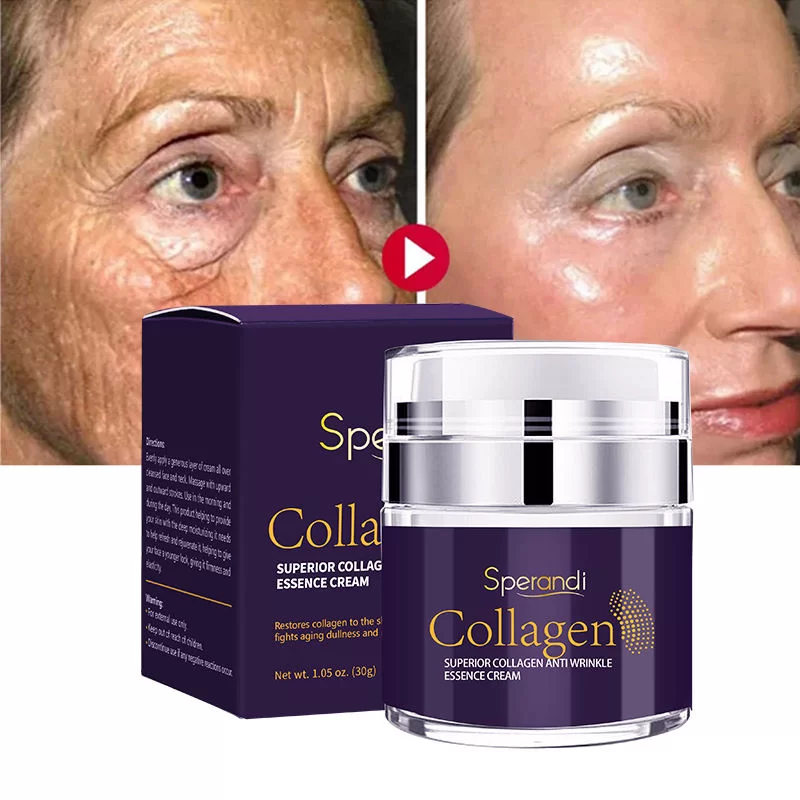
What is the best base for an Anti-aging face cream in cold climates?

A rich lamellar emulsion containing cholesterol and fatty acids is recommended to mimic the natural skin barrier.

Can we customize a Turmeric Face Mask for professional spa use?

Yes, we can adjust the viscosity and add professional-grade exfoliating acids for a more intensive treatment.

How do we achieve the gentle cleansing effect of a Cerave Facial Cleanser?

By using non-ionic surfactants and adding a ceramide-NP complex to ensure the skin barrier remains intact during cleansing.

What are the requirements for manufacturing a medical-grade Face Wash?

It requires strict control over microbial contamination and a pH level balanced between 5.0 and 5.5.

What is the shelf-life of organic-synthetic hybrid cosmetics?

With our advanced preservative systems, these products typically maintain stability for 24 to 36 months.

Partner with Our Expert Chemists

Ready to elevate your skincare brand in North Korea with world-class manufacturing standards.

Contact Us Now